
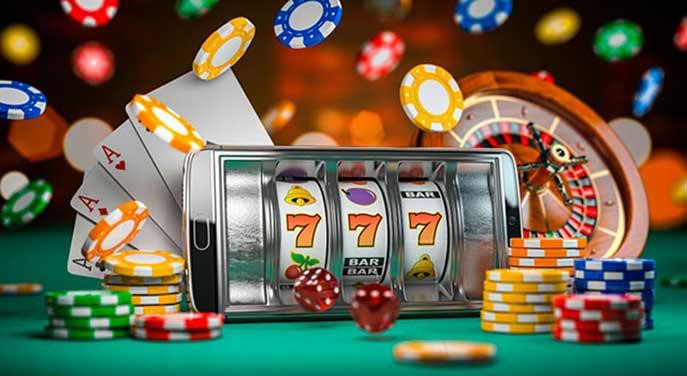
The Psychology of Playing Slot
The allure of slot machines has captivated the hearts and minds of players around the world. From traditional one-armed bandits to high-tech video slots, these games are designed to be engaging and rewarding. But what lies beneath the surface? Why do players feel compelled to keep pulling the lever or pressing the button? In this article, we will explore the psychology of playing slots, delving into the elements that create an irresistible attraction. You can also try your luck at The Psychology of Playing Slot Machines mega pari to experience this thrilling environment.
The Nature of Gambling
At its core, gambling is about taking risks in hopes of gaining something more significant. Slot machines are particularly appealing because they offer the promise of instant gratification. The sheer excitement of seeing the reels spin and hoping to align symbols correctly creates a unique adrenaline rush. This thrill is rooted in psychological principles such as reward anticipation and thrill-seeking behavior.
Reward Systems and Dopamine
One significant aspect of the psychology of slot machines is the reward system in our brains. When players win, their brains release dopamine, a neurotransmitter associated with pleasure and reward. This release not only reinforces the behavior of playing but also creates a craving for more. Even the anticipation of a win can trigger dopamine release, which is why players continue to engage with these machines even when they face losses.
The Role of Variability
Another psychological factor at play is the concept of variable reinforcement. Slot machines operate on a random number generator, meaning that wins can be unpredictable. This unpredictability keeps players engaged, as they never know when a big win might strike. The excitement of chasing that elusive jackpot generates a compelling cycle of play, leading to increased time and money spent on the machines.
Visual and Auditory Stimuli
Moreover, the design of slot machines is meticulously crafted to enhance the gaming experience. Bright colors, engaging themes, and captivating sound effects create an immersive environment. The sensory stimulation from flashing lights and celebratory sounds upon winning activates the brain’s reward pathways, making the experience even more enticing. Designers understand that these elements increase playtime and the likelihood of players returning to the machines.
Social Aspects of Slot Play
Social interactions also play a crucial role in the psychology of slot playing. Many players enjoy the communal aspect of gambling in a casino setting. The excitement of others winning can generate a positive emotional atmosphere that encourages continued play. Online platforms have also catered to this aspect, offering social gaming dynamics through leaderboards and multiplayer options. The social reinforcement of shared experiences can heighten the enjoyment and encourage longer play sessions.
Illusion of Control
Players often develop an illusion of control over their outcomes, believing that their choices can influence the game. This belief can stem from superstitions or rituals players develop while playing. For instance, some may believe that a specific button sequence or playing at certain times can increase their chances of winning. This psychological phenomenon keeps players engaged and can lead to further spending, as they feel empowered in their gameplay.
The Impact of Near Misses
Near misses also contribute to the psychology of slot machines. When players come close to winning—seeing two matching symbols and one off—they experience frustration but also a sense of potential success. This near-miss effect can be as motivating as winning, leading players to continue playing in hopes of achieving that elusive victory. It reinforces the belief that winning is within reach, encouraging them to play longer.
Conclusion: Balancing Enjoyment and Risk
Understanding the psychology of playing slots helps clarify why these games are so compelling. With the blend of reward anticipation, sensory engagement, social dynamics, and cognitive biases, players can easily find themselves deep into the gaming experience. While playing slots can be entertaining and stimulating, it is crucial to remain aware of the potential risks involved. Setting limits on time and money spent can help maintain the enjoyment of the game without crossing into harmful gambling behavior.
Ultimately, the psychology of slot machines is about more than the mechanics of the game; it taps into fundamental human desires for excitement, reward, and connection. By recognizing the elements at play, players can approach gaming with a balanced perspective, maintaining both enjoyment and responsibility.